Is It Real? A Simple Guide to Spotting AI Content
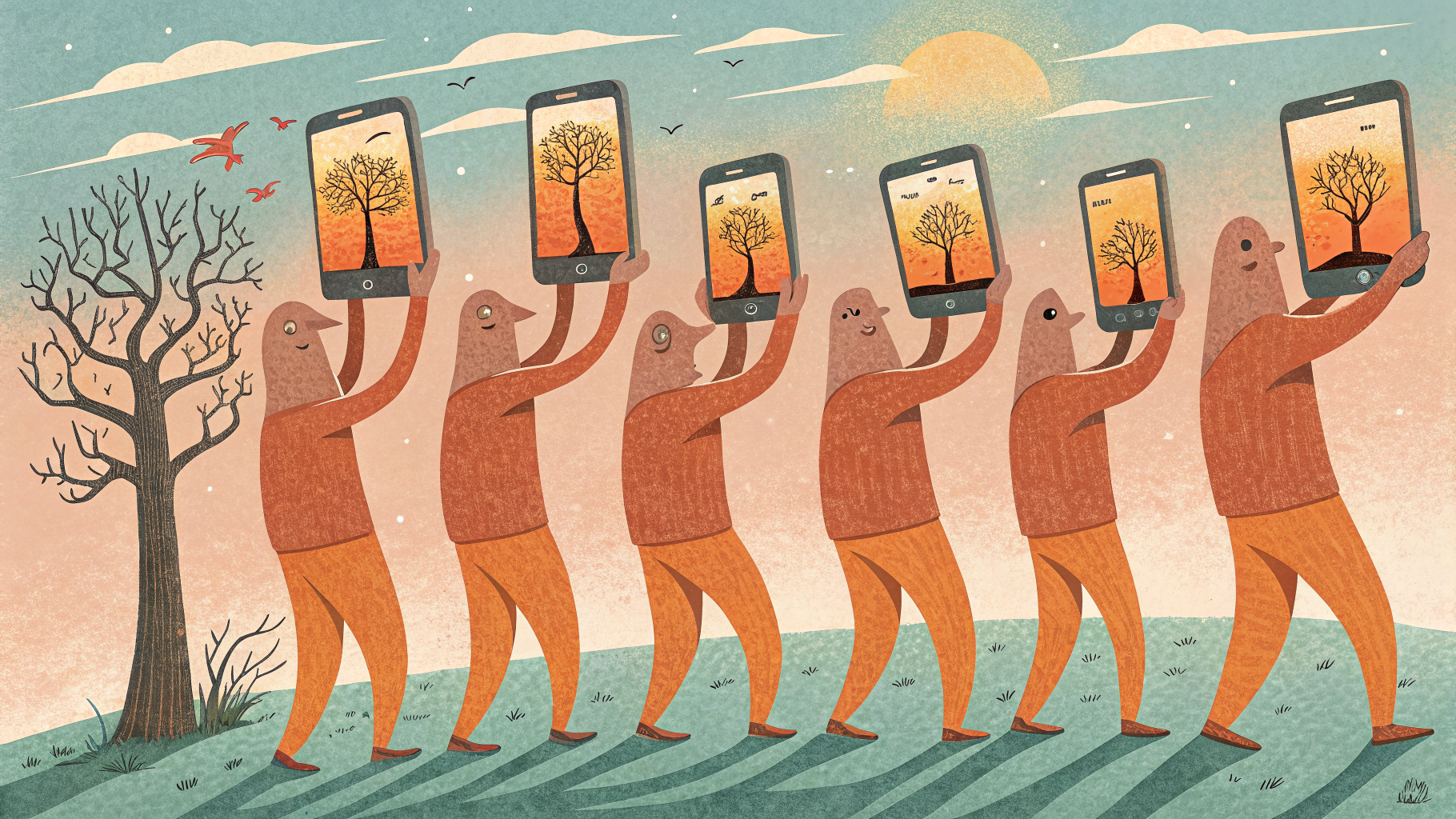
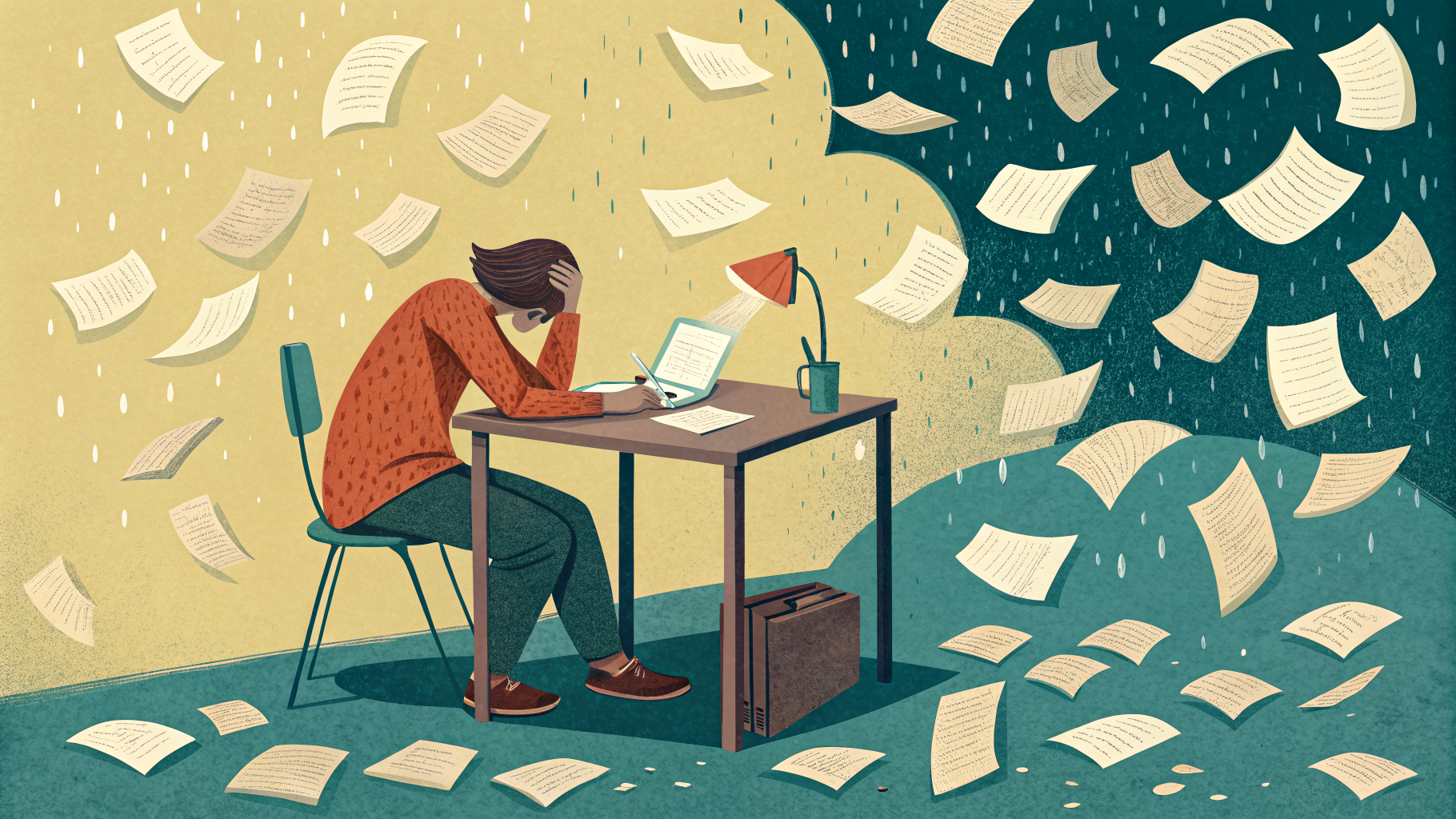
Illustration: Ciigma × Recraft V3
Why this matters#
AI-generated content is everywhere. Photos, videos, voices, articles. Most of it is harmless. Some of it isn't. The problem is that the people most vulnerable to being misled are often the ones least familiar with how this technology works.
This guide is for them. If you have a parent, grandparent, or anyone in your life who might share something online without questioning it, send them this. No jargon. No technical background required. Just practical things to look for.
How to spot AI-generated images#
AI has gotten very good at making images. But it still leaves clues. Here's what to check.
Hands and fingers. This is still the most reliable tell. Count the fingers. Look for fingers that merge together, bend at wrong angles, or have extra joints. AI frequently gets hands wrong, especially when they're holding something.
Text in the image. If there's text on signs, clothing, or books in the photo, read it carefully. AI tends to generate gibberish that looks like words from a distance but doesn't actually say anything. Letters might be scrambled, repeated, or shaped strangely.
Teeth and eyes. Zoom in on faces. AI sometimes gives people too many teeth, teeth that are perfectly identical, or eyes that don't quite match. One pupil might be slightly larger, or the reflections in each eye might show different things.
Background details. Look at what's behind the main subject. AI often generates backgrounds that don't hold up under scrutiny. Fences that connect to nothing. Buildings with windows that don't align. Objects that melt into each other at the edges.
Skin and hair texture. AI skin often looks too smooth, almost plastic. Hair can look painted on rather than individual strands. If someone in a photo looks like they have zero pores, question it.
Symmetry that's too perfect. Real faces aren't perfectly symmetrical. Real buildings have slight imperfections. If everything in an image looks geometrically perfect, it might not be real.
How to spot AI-generated video#
Video is harder because your brain processes it faster. Slow it down.
Watch the edges of moving objects. AI video often has a flickering or warping effect at the boundaries of objects, especially where a person meets the background. Hair edges are a big tell.
Look for consistency across frames. Does a person's earring change shape? Does a logo on a shirt shift between frames? Does the number of buttons on a jacket change? AI sometimes loses track of details from one frame to the next.
Listen to the audio. If the video has someone speaking, watch their lips closely. AI lip-sync often has a slight delay or the mouth shapes don't quite match the sounds. Also listen for audio that sounds slightly flat or robotic, even if it's trying to sound natural.
Check for unusual smoothness in motion. Real video has subtle imperfections. Camera shake. Slight focus shifts. AI video sometimes looks too stable, too clean, like everything was rendered rather than recorded.
How to spot AI-generated text#
This one is trickier because AI text has gotten extremely good. But patterns exist.
It says a lot without saying anything specific. AI text tends to be confident but vague. It uses big words and smooth sentences but when you read it again, you realize it didn't actually commit to a real opinion or share a concrete example.
Every paragraph sounds the same. The rhythm doesn't change. There's no shift in energy, no moment where the writer gets excited or frustrated or casual. It's consistently polished, which is exactly what makes it suspicious.
It uses certain phrases constantly. "It's important to note," "In today's landscape," "At the end of the day," "This is a game-changer." If an article reads like a greatest hits of LinkedIn captions, it probably wasn't written by a person.
No personal experience. Real writers reference specific things they saw, did, or felt. AI writes in generalities. If an entire article about cooking never mentions a specific meal the author actually made, be skeptical.
The quick checklist#
Before you share something online, run through these:
- Who posted it? Is it from a verified account or publication you recognize? Or a random account with no history?
- Does it feel too perfect? Real photos have imperfections. Real videos have shaky moments. Real writing has personality.
- Can you find it somewhere else? Do a reverse image search. If the photo only exists in one place with no source, be cautious.
- Does it want you to feel something strongly? AI-generated misinformation is often designed to trigger anger, fear, or outrage. If your first reaction is intense emotion, pause before sharing.
- Zoom in. Literally. Open the image full screen and look at the details. The clues are almost always in the details.
It's OK to be unsure#
The technology is getting better fast. Some AI content is genuinely indistinguishable from real content right now. That's not a failure on your part. It means the bar for skepticism needs to go up for everyone.
The best habit isn't becoming an AI detection expert. It's simply pausing before you share. If you're not sure it's real, don't spread it. That one habit does more than any detection technique. Want to understand how AI actually works in practice? See what we're building at Ciigma Ventures.
When in doubt, don't share it. That's the whole guide in one line.
Concept, draft & direction
Claude, tuned to Ciigma's editorial voice
AI editor