47 AI Tools and No Plan

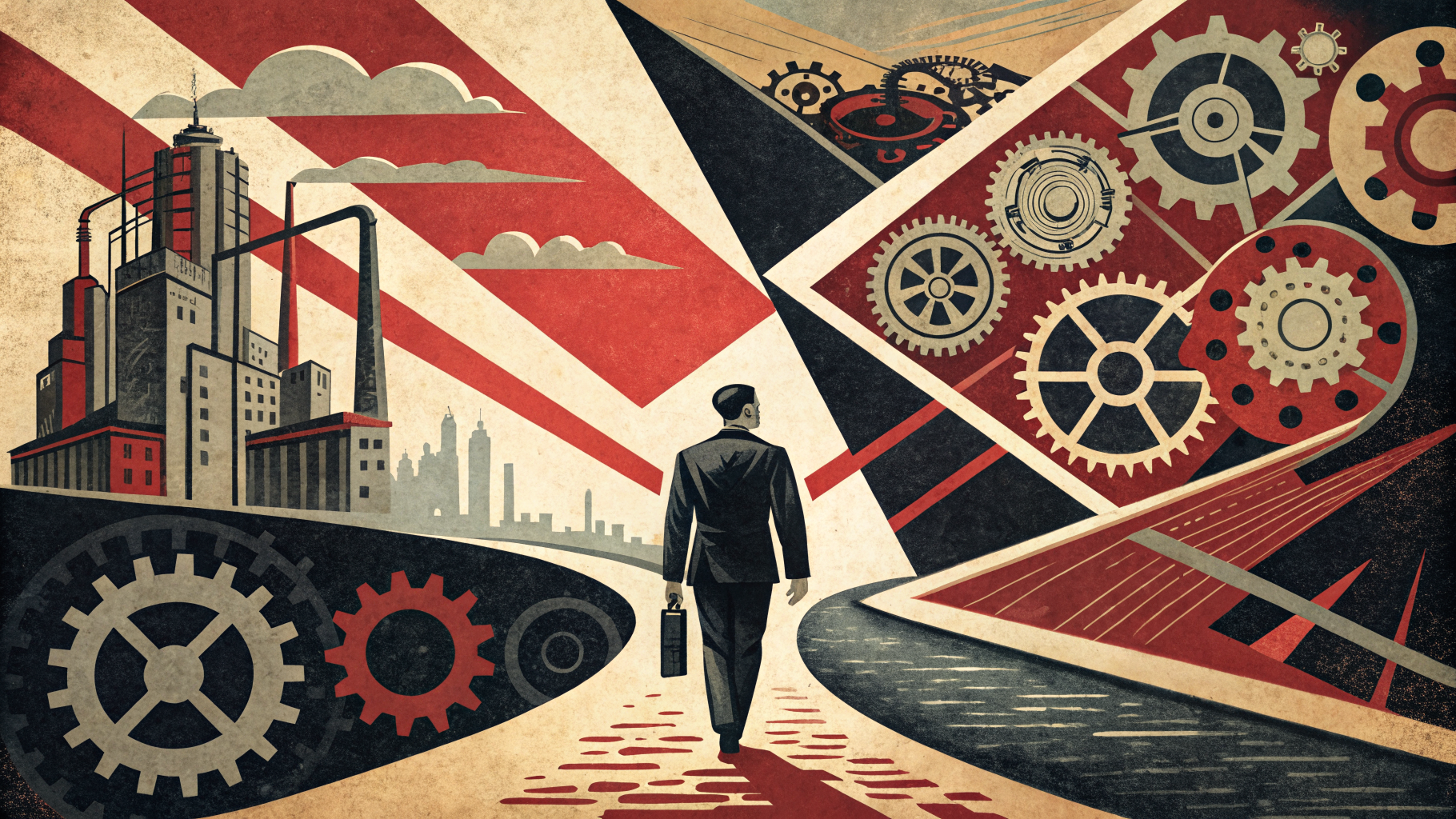
Illustration: Ciigma × Recraft V3
47 AI tools and no plan#
McKinsey's 2025 Global Survey on AI found that 72% of organizations had adopted AI in at least one business function. Up from 55% the year before. Among enterprises with deep pockets and dedicated teams, adoption is accelerating.
Small businesses tell a different story.
The US Chamber of Commerce and Teneo reported in early 2026 that 98% of small businesses use at least one AI-powered tool. That sounds impressive until you read the next line: most use it for a single task (usually writing or customer service), with no integration into their actual operations. The gap between "using AI" and "transforming with AI" is enormous.
The pattern is clear. Small businesses know AI matters. They're spending on it. And most of them are getting burned.
The tool trap#
Here's what happens. A business owner reads that ChatGPT can save 10 hours a week. They sign up, play with it for a few days, maybe draft some emails or generate social posts. It feels promising.
Then they hear about an AI scheduling tool. An AI CRM. An AI analytics dashboard. An AI-powered ad platform. Each one promises transformation. Each one costs money and time to learn. None of them talk to each other.
Six months later, the owner has subscriptions to four or five platforms, none of them deeply integrated, and a creeping suspicion that AI is just another hype cycle designed to separate small businesses from their money.
We had a client recently who came in convinced his problem was sales. He needed to both sell and recruit new salespeople, and he wanted AI to turbocharge the sales side first. The more we dug into his operation, the more we realized the focus should flip. AI handling recruiting would free him up to do what he's actually best at: closing deals. A completely different starting point than what he walked in with, and a better outcome than any tool he could have subscribed to on his own.
What a guide actually does#
AI consulting for small businesses isn't about recommending the latest platform. It's about three things.
The consulting framework
- Diagnosis first. Where is your business actually losing time, money, or opportunities? Not where you think AI is cool. Where the pain is.
- Sequence matters. Fix the biggest leak first, prove ROI, then expand. Starting with "let's build a custom GPT" instead of "let's find the $50K you're leaving on the table" means it's already off track.
- Integration over addition. Every tool you add that doesn't connect to your existing workflow creates friction. Fewer tools doing more, not more tools doing less.
A plumber losing 30% of inbound calls because nobody answers during jobs has a different problem than a law firm drowning in document review. The AI solution for each starts in completely different places.
McKinsey found that companies with a clear AI strategy achieved 3x the financial impact of those deploying AI ad hoc. Strategy isn't a luxury for enterprises. It's the difference between $5,000 spent well and $50,000 wasted.
The small business disadvantage (and advantage)#
Enterprise companies have chief AI officers, dedicated transformation teams, and seven-figure consulting budgets. Small businesses have the owner, maybe a marketing person, and whatever they can figure out between actual work.
But small businesses can move faster. No procurement committees. No 18-month rollout timelines. No legacy systems that require a team of 20 to modify.
A 15-person services company can go from manual lead follow-up to fully automated pipeline in weeks, not quarters. We've done it. AI is already reshaping how customers find businesses. The ones who adapt quickly compound that advantage every month they're ahead.
The window isn't closing. But it is narrowing. Early movers in AI adoption are building the same kind of structural advantage that early SEO adopters built a decade ago.
What we do differently#
Ciigma operates in Houston and Madrid. Two very different markets, same reality: small businesses drive both economies, and most of them are navigating AI blind.
We don't sell tools. We don't resell platforms. We start with the business problem and work backward to the right technology.
For owners who know AI is important but don't know where to start. Diagnostic sessions, implementation roadmaps, and hands-on execution.
The deliverable isn't a slide deck. It's a working system that pays for itself.
AI-powered visibility that puts you in front of customers, whether they're searching on Google or asking ChatGPT.
For businesses ready to grow their market presence while competitors are still figuring things out.
The real cost of waiting#
Every month without a coherent AI strategy is a month your competitors are pulling ahead. Not because they're smarter. Because they got help.
The European market is moving fast, with billions in government-backed AI adoption programs already deployed. The US market is moving faster, driven by private sector urgency. Small businesses that wait for AI to "settle down" will find that it settled around their competitors.
72% of businesses adopted AI last year. The question isn't whether to adopt. It's whether you'll do it with a map or without one.
We build the map. Start here.
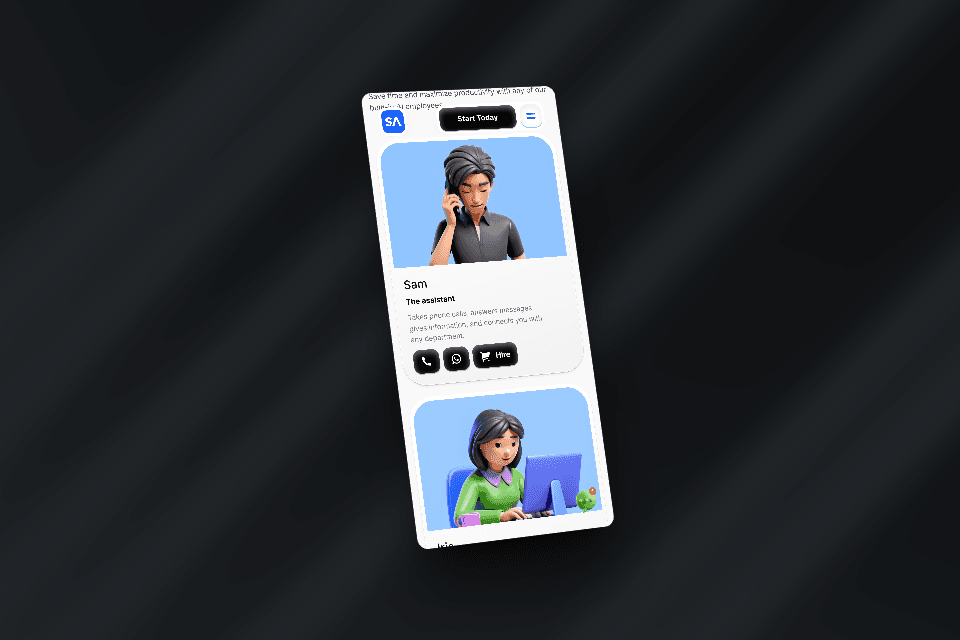
Don't have time for a strategy session? Start here. It's already built, already replying, and plugs into what you have.
- Responds to calls, DMs, and messages automatically
- Books appointments and sends reminders
- Follows up across channels without manual work
- Built by Ciigma for small service businesses
Concept, draft & direction
Claude, tuned to Ciigma's editorial voice
AI editor