Building for the Next Ones
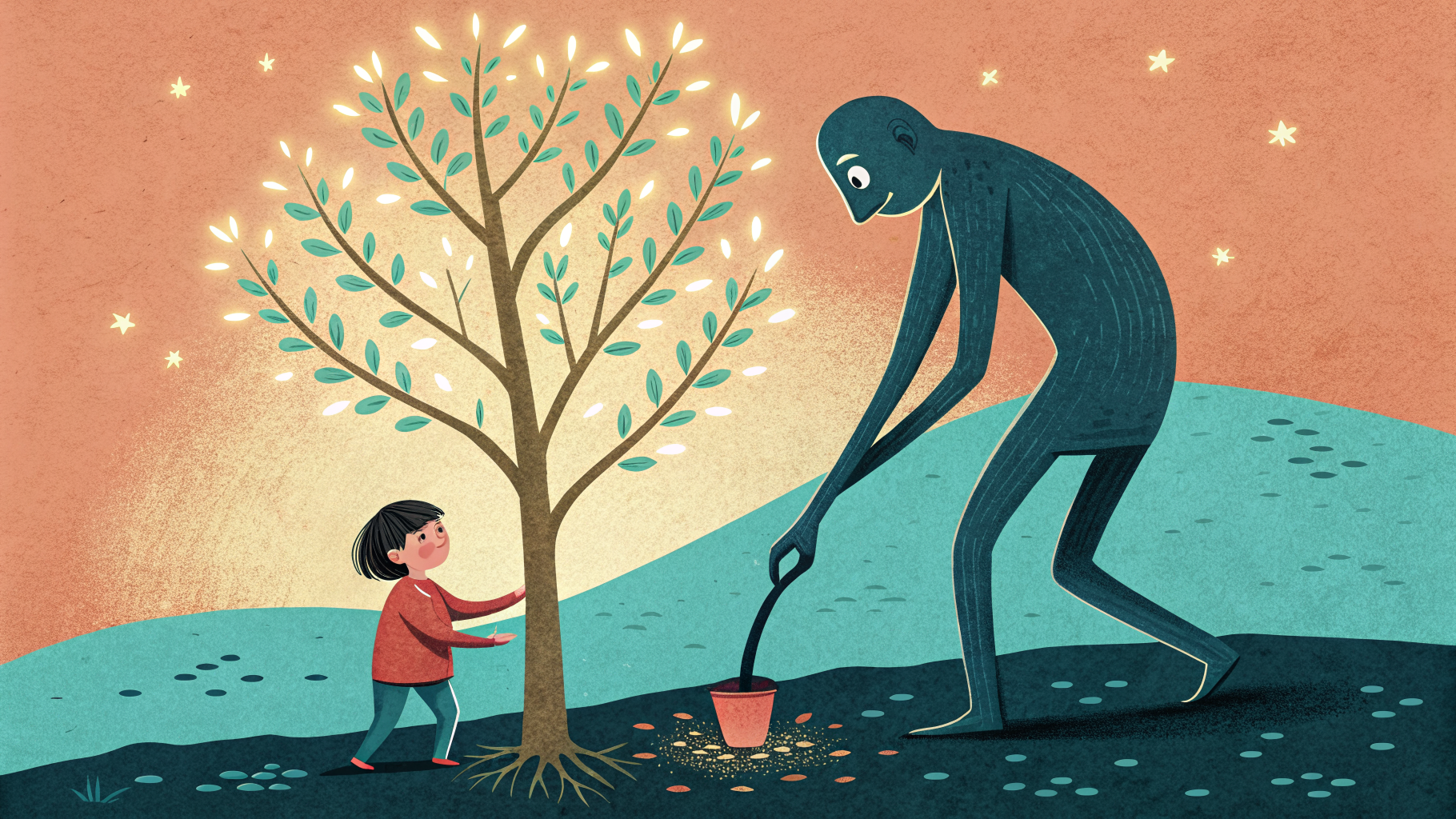
Illustration: Ciigma × Recraft V3
The small idea#
The default conversation around AI goes like this: it will replace jobs. Automate the routine stuff. Make companies leaner. Maybe give you a chatbot so you don't need a receptionist.
That's a real outcome. But it's a small one.
If the best thing we can do with the most powerful technology ever built is fire the receptionist, we've failed. Not technically. Philosophically.
The question worth asking is what happens when someone growing up in Barranquilla, or Accra, or rural Texas has access to tools that used to require a team of ten. What changes when the barrier to building something real drops from $50,000 and three years of experience to a laptop and an afternoon.
Everything changes. And we're not ready for how much.
What we actually mean by independence#
When we say we build for independence, we mean something specific.
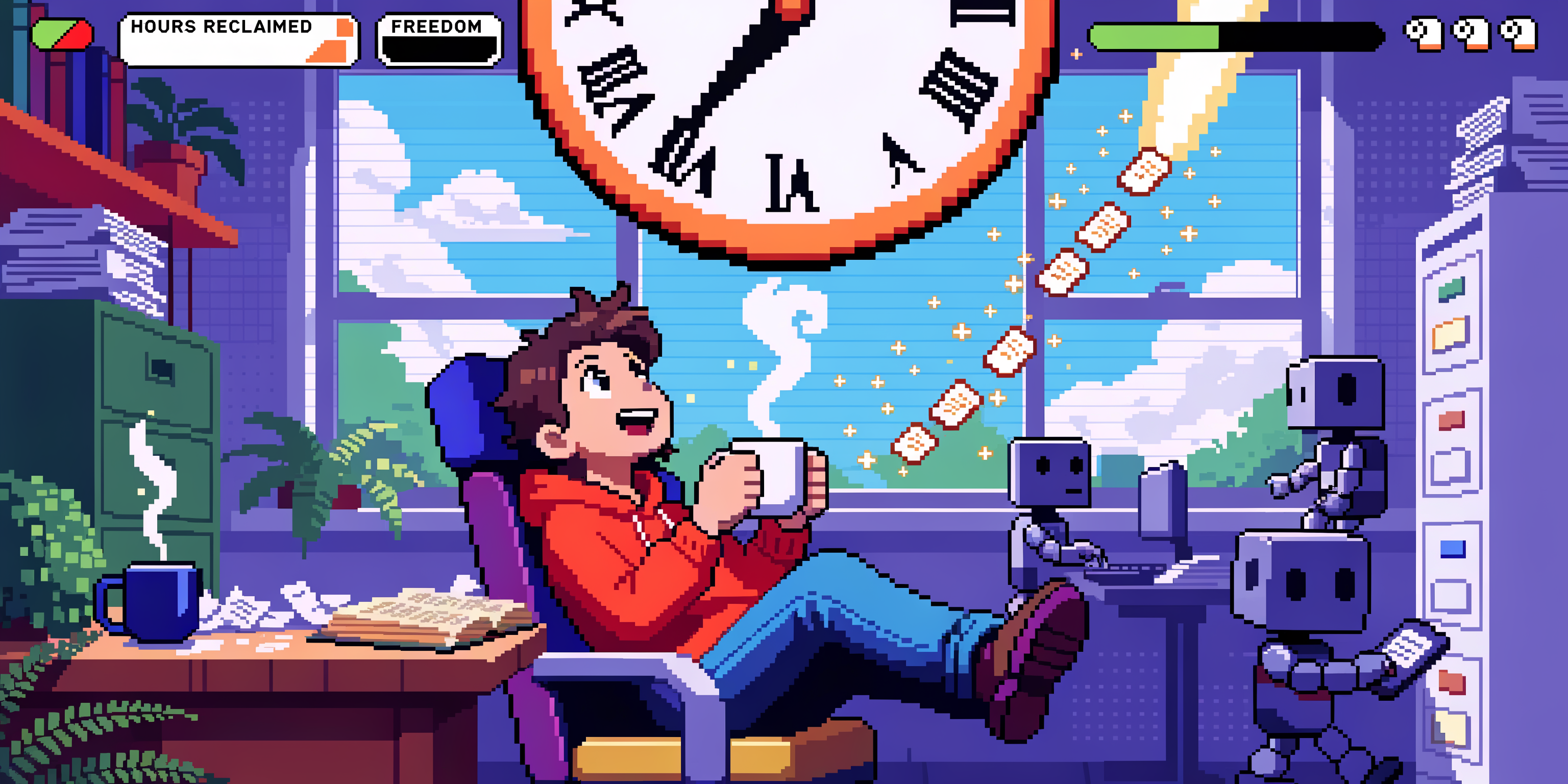
We mean a business that runs its entire pipeline, lead gen to close, with two people instead of twelve. Nobody got fired. The business started that way. The AI was there from day one. The team that never needed to be hired is the independence. That's exactly what SimpliAutomatic does for small businesses.
We mean a small hotel that responds to every booking inquiry within seconds, in four languages, at 3am. The owner sleeps. The system works.
We mean a founder who builds her first web app without a technical cofounder, because the tools finally caught up to her ambition.
None of these people are replacing anyone. They're doing things that weren't possible for them before. The technology didn't take something away. It added a capability that didn't exist at their scale.
The mission underneath the business#
Ciigma exists because we believe the tools you grow up with shape what you think is possible.
Our generation grew up with the internet. It didn't just give us information. It changed what we believed we could do. A kid anywhere in the world could watch MIT lectures and apply to jobs in New York. The system wasn't designed for that. The tool was just powerful enough that people found their own use for it.
AI is the next version of that. But only if we build it that way.
If we build AI that only serves enterprises and replaces headcount, it stays a corporate efficiency tool. Useful. Profitable. Small.
If we build AI that gives an individual the output of a team, we change what one person can do. And when you change what one person can do, you change what a generation believes is normal.
Current generations get the tools. Next ones get the mindset.#
The people using our products today are getting leverage. They're faster, more capable, more independent. That's the immediate value.
But the real return is longer. A kid watching her mom run a business from a laptop, no office, no staff, no overhead, grows up thinking that's how it works. She doesn't dream of getting a job at a big company. She dreams of building her own thing. Because she saw it done.
That's how generational change actually works. Not through policy. Through tools that shift what feels possible.
We're not building AI to replace your team. We're building AI so that a future version of you, or your kid, or someone you'll never meet, wakes up with fewer barriers between who they are and what they can build.
Why this matters to us specifically#
We could optimize for enterprise contracts and leave it there. The margins are good. The work is interesting enough.
But we started Ciigma because technology broke ceilings for us. Nobody designed it for us. It was just powerful enough that we could use it on our own terms.
That's what we build toward. Tools so capable that a person with ambition and a wifi connection can compete with a funded team. Not someday. Now. See how we build, grow, automate, and advise.
That's the future we're building. Not replacing people. Multiplying them.
Concept, draft & direction
Claude, tuned to Ciigma's editorial voice
AI editor